

Water: The Lifeblood of the Lakeland Region

In Alberta’s Lakeland region, water is more than a natural resource. It is a way of life. From the cattle pastures of Charlotte Lake Farms to the economic development offices of Community Futures Lac La Biche, water sustains livelihoods, shapes industries, and defines the rhythm of the seasons.
Here, it fuels the growth of crops and livestock, draws visitors to sparkling lakes, and anchors communities whose histories are tied to its ebb and flow. In a region where droughts and seasonal fluctuations are becoming increasingly common, water is also a constant challenge. It demands resilience, creativity, and a deep respect for the land.
Charlotte Lake Farms: Sustaining a Herd, One Gallon at a Time
For Guy and Leona Bonneau of Charlotte Lake Farms Inc., water management is as much a part of their daily routine as feeding cattle or tending crops. The family-run farm, now in its second generation, raises approximately 300 head of beef cattle for their farm-to-table meat program and maintains a popular U-Pick Pumpkin Patch that draws visitors from across the region.
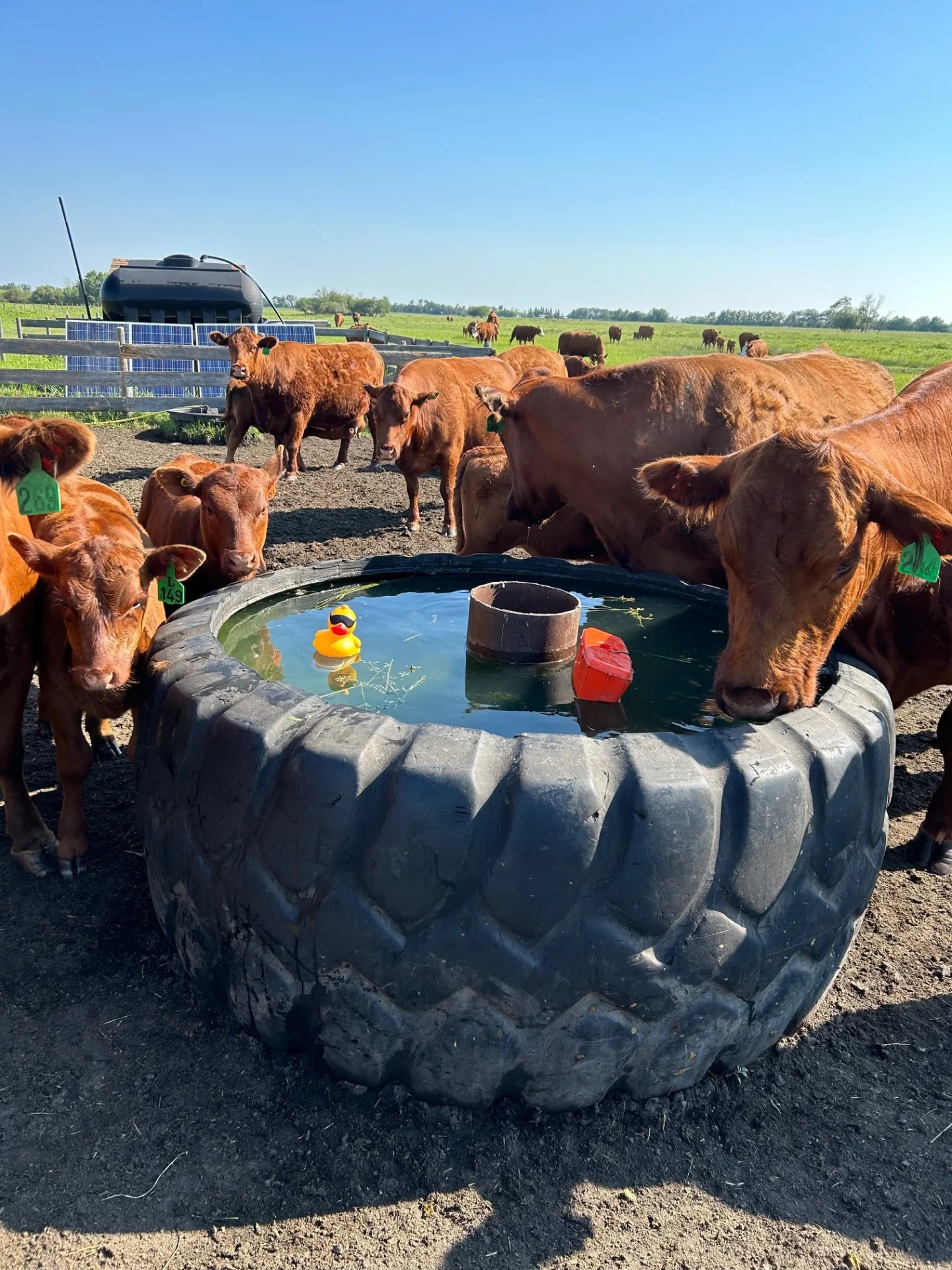
Their water comes from three main sources. Deep wells are powered by municipal electricity or solar-charged batteries. Dugouts fill with spring runoff and rainfall during the warmer months. In dry years, they rely on a bulk water fill station nearby to meet demand.
The numbers involved in keeping their livestock hydrated are staggering. The “rule of thumb” for beef cattle is one gallon of water per 100 pounds of body weight per day. That means:
-
A 1,400-pound lactating cow drinks about 14 gallons daily.
-
A calf weighing 400 pounds needs 4 gallons in addition to nursing.
-
A 1,800-pound bull consumes around 18 gallons.
-
Finishers, weighing between 1,100 and 1,300 pounds, drink between 11 and 13 gallons each.
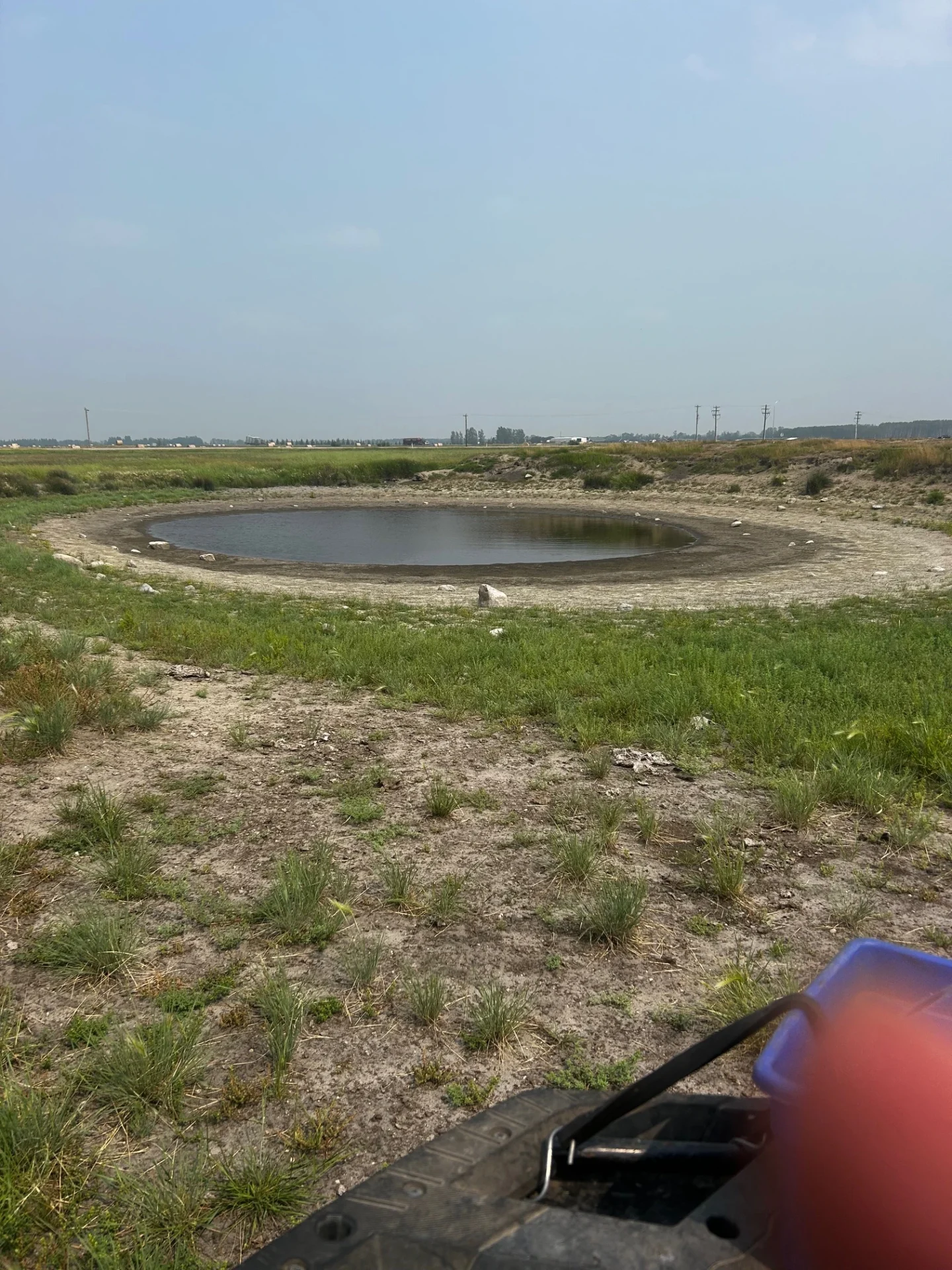
Dugout
All told, Charlotte Lake Farms uses about 3,000 gallons of water every day for livestock alone. This is more than 11,000 litres, and the figure can climb higher during hot weather or when animals are nursing.
Water quality matters just as much as quantity. The Bonneaus inspect their water sources weekly, checking troughs and dugouts for algae growth. Rubber ducks fitted with low-dose chlorine tablets float in the troughs to keep water fresh and safe. It is a simple but highly effective solution that helps protect herd health.
The Heavy Cost of Drought
In good years, rainfall and snowmelt replenish dugouts and pastures. In bad years, the absence of rain forces difficult choices.
“When there’s little precipitation, we have to haul water from the bulk station,” says Leona. “That is expensive, time-consuming, and exhausting. And if there is no rain, there is no crop to feed the animals. We have had to buy feed when it is hard to find, and sometimes the only option is to sell cattle. That is heartbreaking.”
The drought of 2025 was one of the worst the farm has ever faced. Beyond the financial strain, the emotional toll was heavy. “Having no rain is very stressful,” Leona says. “It wears you down mentally. Our animals are our livelihood. Without water, we cannot care for them the way we should.”
When the Bonneaus took over the farm in 2014, they quickly learned the importance and cost of water infrastructure. At the time, the property had only one well producing 5 to 10 gallons per minute and small dugouts that could not support a growing herd. They hauled water daily until, in 2015, they invested in two new wells, including one with a solar-powered pump on their pasture.
It was an expensive project, but it gave the farm the capacity to grow. “Do not underestimate the cost of a solar-powered water system,” Leona advises. “Look for grants, and get approvals before you start. And make sure your water is safe and reliable. It is everything to an operation like ours.”
Community Futures Lac La Biche: Building Water Resilience Across Industries
Cows drinking from the solar-powered water system.
While Charlotte Lake Farms represents the hands-on, daily reality of agricultural water use, Community Futures Lac La Biche offers a broader perspective. This regional economic development organization does not raise crops or livestock itself, but it supports the people who do, along with many others whose livelihoods depend on water.d
Their primary water source is the municipal system, which draws from local lakes and surrounding watersheds. While their own office water use is modest, the businesses they advise and finance rely heavily on water. This includes farmers, aquaculture producers, food processors, and tourism operators.
“Water is more than a resource here. It is part of our community’s heartbeat,” says a spokesperson for Community Futures. “It drives our agriculture, fuels our tourism, and sustains the way of life we are proud to share with visitors during Open Farm Days.”
Water’s Role in Regional Economy and Culture
The Lac La Biche region’s economy is inseparable from its water systems. Agriculture depends on irrigation for crops and steady supplies for livestock. Tourism thrives on the area’s lakes, which attract anglers, boaters, and vacationers from across Alberta. Local food processors rely on clean, reliable water to maintain product quality.
This dependence also brings vulnerability. Seasonal variability in water availability and quality is a recurring challenge, especially for agriculture and tourism. Extended dry spells can reduce crop yields and pasture growth. Low lake levels can disrupt boating and fishing, while water quality advisories can deter visitors.
Community Futures helps businesses prepare for these challenges through resilience planning and investment in sustainable water-use technology. For example, in 2023, they worked with a guided fishing and lake tour company facing low water levels. By switching to smaller, eco-friendly boats that could operate in shallower conditions, the business not only stayed open but also reduced shoreline disturbance.
Two Perspectives, One Shared Challenge
The Bonneaus’ daily work to provide 3,000 gallons of clean water for their cattle might seem worlds apart from Community Futures’ strategic planning for tourism and economic development. However, both are working toward the same goal: ensuring that water, in all its forms, remains a reliable foundation for the region’s future.
For Charlotte Lake Farms, that means checking troughs every week, maintaining wells and pumps, and investing in infrastructure that will withstand dry years. For Community Futures, it means helping local businesses adapt to changing conditions, diversify their operations, and adopt water-wise practices.
Both understand that water shapes the Lakeland’s identity, and that managing it wisely is key to preserving that identity for the next generation.
The Human Side of Water Stewardship
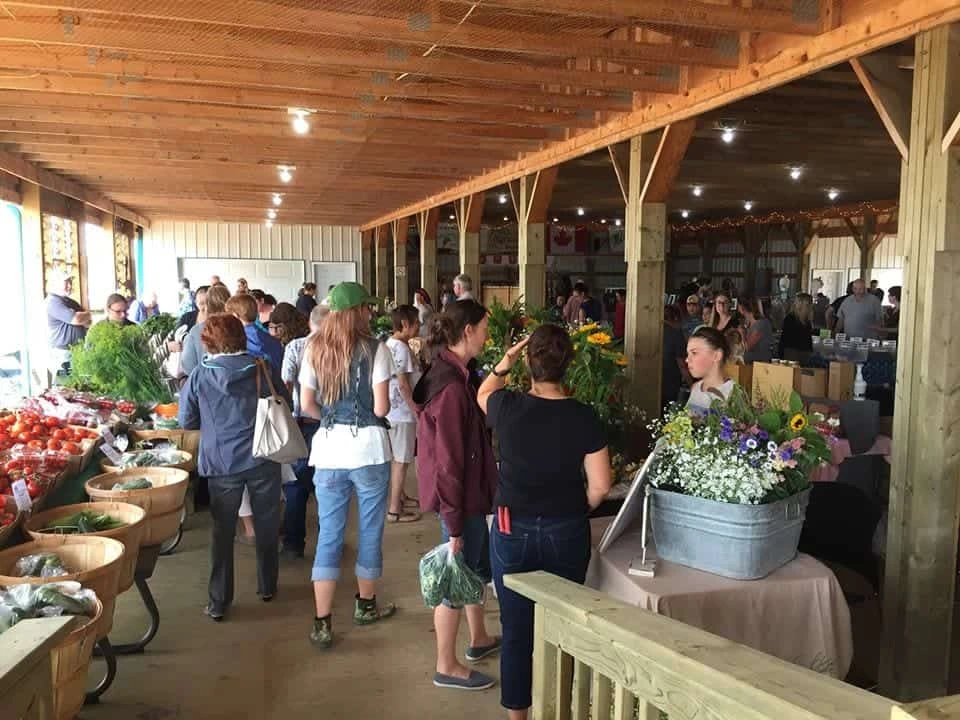
People at the Lac la Biche market.
Water stories are often told through numbers such as gallons per day, rainfall in millimetres, and acres irrigated. However, behind those numbers are people making constant decisions about how to protect, allocate, and use water responsibly.
On the Bonneaus’ farm, those decisions are made with the well-being of every animal in mind. In the Lac La Biche office of Community Futures, they are made with the health of the entire regional economy in mind.
The connection is clear. The strength of the Lakeland region depends on the strength of its water systems. Whether it is the dugout on a cattle ranch or the marina at a tourist resort, these systems require care, investment, and foresight.
Looking Ahead
The Lakeland region is no stranger to water challenges. It is also home to innovators, problem-solvers, and caretakers who see those challenges as opportunities to improve.
For the Bonneaus, that might mean exploring new technology to reduce algae growth in troughs or planting crops that require less water. For Community Futures, it could mean supporting more businesses that integrate water conservation into their operations from day one.
Both share a vision of a future where water continues to drive the region’s prosperity, not just for agriculture and tourism, but for every community member who depends on it.
Plan Your Lakeland Adventure
Planning your journey east of Edmonton? The Lakeland has a lot in store for you. There are a dozen or more unforgettable stops stretching from Vermilion to St. Paul, Cold Lake to Lac La Biche. You can taste homemade jams and preserves in St. Paul, sample artisan cheese in Vermilion, join a cattle ranch tour, step into the buzzing world of a bee hive, or fill your basket with fresh produce straight from the field.
Our partners at Go East of Edmonton Tourism and Travel Lakeland can help you discover more stops along the route. 
Visit www.goeastofedmonton.com for your complete guide to the Lakeland and East Central Alberta. Use their Amazing Travel Guide and Roadtrip Guides to plan your adventures along all the major highways. Eat, shop, stay, and play, all online.
If your heart and stomach lead you to the farms, do not miss the Flavours of the Lakeland trail for even more local tastes and experiences.