

There’s a particular kind of intelligence at work in the foothills west of Calgary. It doesn’t come from a textbook, a soil test, or a GPS tracker. It flies out of the hive before sunrise, travels up to 10 kilometres in every direction, and comes back loaded with everything the land has to offer.
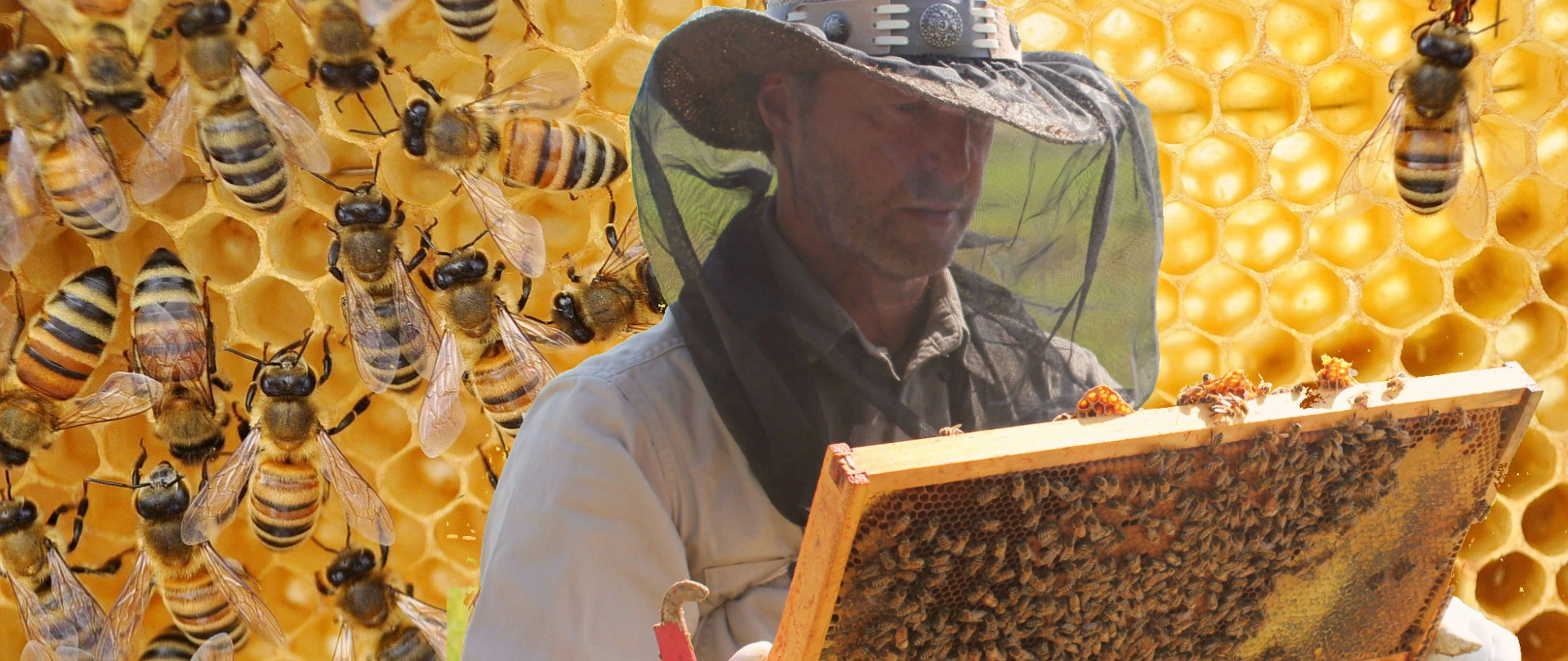
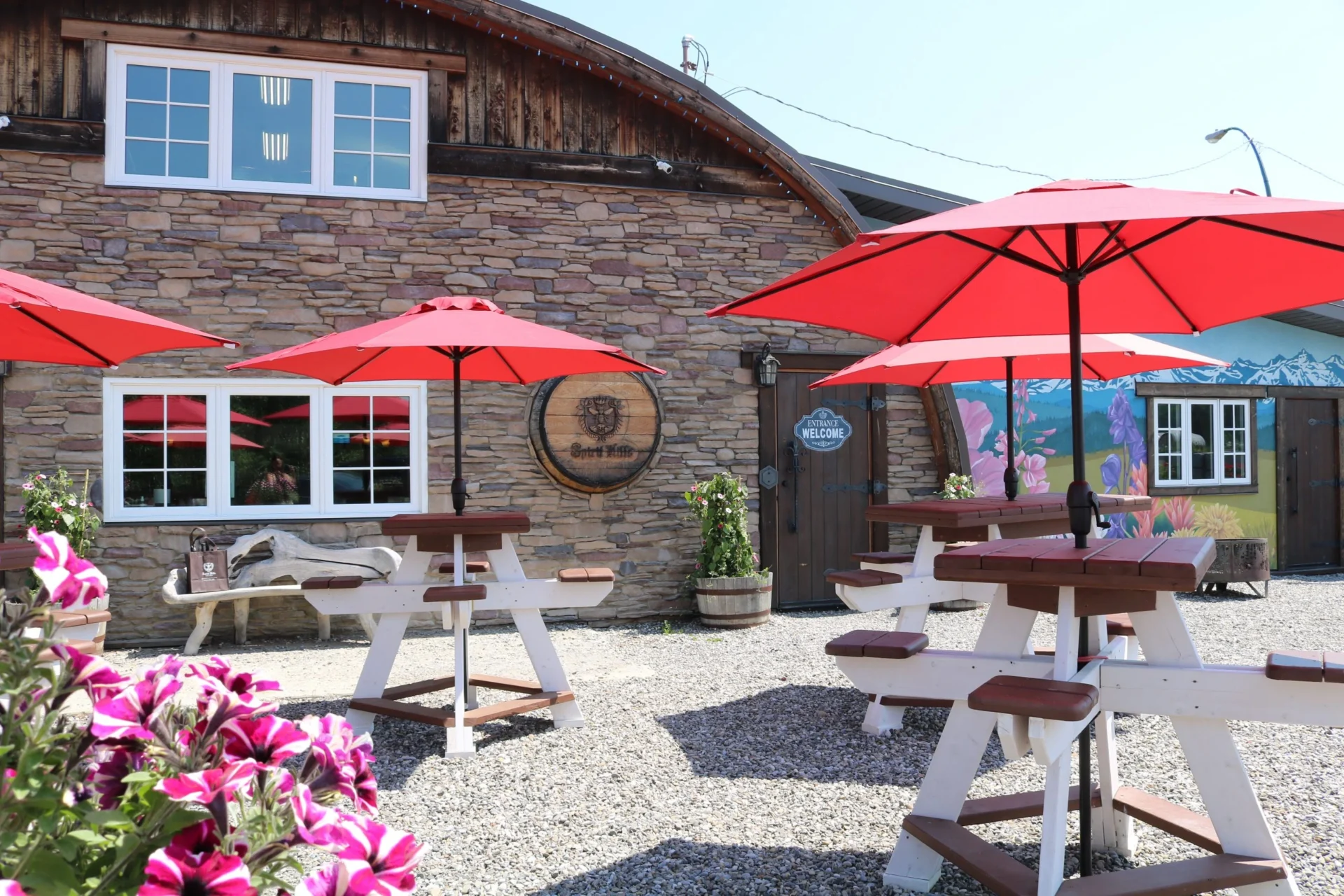
Photo courtesy of spirithillswinery.com
At Spirit Hills Flower Winery, the bees aren’t just producing honey. They’re reading the landscape.
“Poor health in the area means lower yield at harvest,” says Bjorn Bonjean, owner and head winemaker at Spirit Hills. It’s a simple sentence, but it captures something that takes most operations years to understand: that the land and the life on it are deeply connected, and that you ignore one at the cost of the other.
A Different Kind of Rangeland Story
The foothills grasslands surrounding Spirit Hills don’t look like the wide-open cattle country most people picture when they think of Alberta rangelands. They’re wetter, more varied — a patchwork of native wildflowers, tame pastures, and wetlands tucked between rolling terrain. It’s exactly the kind of environment that bees thrive in, and exactly the kind
Photo courtesy of spirithillswinery.com
of environment that’s increasingly hard to find.
Bjorn and his team have built their entire operation around staying away from monocrop agriculture. No vast fields of a single crop. No heavy pesticide drift. Just foothills country doing what foothills country has always done — growing a
n enormous variety of plant life that feeds the hive and keeps the honey tasting like something specific to this place.
That specificity is the product. It’s also the philosophy.
The Bees Do the Moving
Ask most pastoralists about managing land, and they’ll talk about rotating livestock, monitoring grass height, and keeping a close eye on how much pressure the land can take before it needs a rest. At Spirit Hills, that work is handled by 60,000 bees per hive, flying out in every direction before most people have had their morning coffee.
The logic is similar, though. Yards are spread wide to prevent oversaturation. Hive placement is deliberate, ensuring foragers always have enough nectar-rich territory to work. Too many hives in one area depletes the flowers the same way too many cattle in one pasture depletes the grass.
The difference is that the bees are self-managing in ways livestock simply aren’t. They monitor range health, adjust foraging routes based on what’s available, and signal — through their productivity — when something in the ecosystem is off. A drought year shows up in the honey yield. A heavy smoke season from nearby fires keeps foragers close to the hive, cutting production by as much as 50 to 75 percent at the end of the season.
“Bees are very sensitive to air pollutants,” Bjorn notes. “Heavy smoke and a dry summer can really hinder end of season yields.”
It’s a direct feedback loop between land and livelihood that most industries have to go out of their way to engineer. Here, it’s built into the operation.
Bears in the Bee Yard
Not every lesson from the foothills comes from the flowers.
Between 2015 and 2024, Spirit Hills had more than a few run-ins with grizzly bears near their bee yards. One visit stands out. Bjorn and a helper arrived at a yard one morning to find two large sows on the hillside above them — each with cubs. Four young bears in total, moving together across the grass like they owned the place. Which, in a real sense, they did.
Photo courtesy of spirithillswinery.com
That yard was eventually shut down. The risk of losing the entire operation to a persistent bear family was too high, and the land had made its point clearly enough.
“Grizzlies are everywhere,” Bjorn says. “Not just in the mountains. And there are a lot of them out here.”
It’s a reminder that rangeland stewardship in Alberta isn’t just about what you plant or how you graze. It’s about coexisting with a landscape that has its own occupants, its own rhythms, and its own sense of priority.
Pollination as Stewardship
Spirit Hills is a first-generation operation — 15 years in, still building something from the ground up. There’s no family grazing history here, no ancestral connection to a particular piece of ground. What there is, is a deep and practical commitment to keeping the land healthy enough to keep producing.
Their bees pollinate the wildflowers that feed the next season’s forage. The hives spread across private land through relationships built with neighbouring farms over years. The honey that comes out reflects the specific character of this particular corner of foothills Alberta — and that only works if the land stays diverse, healthy, and chemical-free.
In the year the world turns its attention to rangelands and the people who steward them, it’s worth recognizing that stewardship takes many forms. Some of it looks like a cowboy moving cattle across a pasture. Some of it looks like a beekeeper in a veil, lifting a frame in the early morning quiet, reading what the hive has to say about the land underneath it.
At Spirit Hills, they’ve been listening for 15 years.
Photo courtesy of spirithillswinery.com
Spirit Hills Flower Winery is located in the foothills west of Calgary. Visit albertaopenfarmdays.ca to plan your visit this August 15–16.