
The Grassland Is a Patient Teacher
Providence Lane Homestead is learning — and listening — in Alberta’s foothills
There’s a moment Tara Klager looks forward to every year.
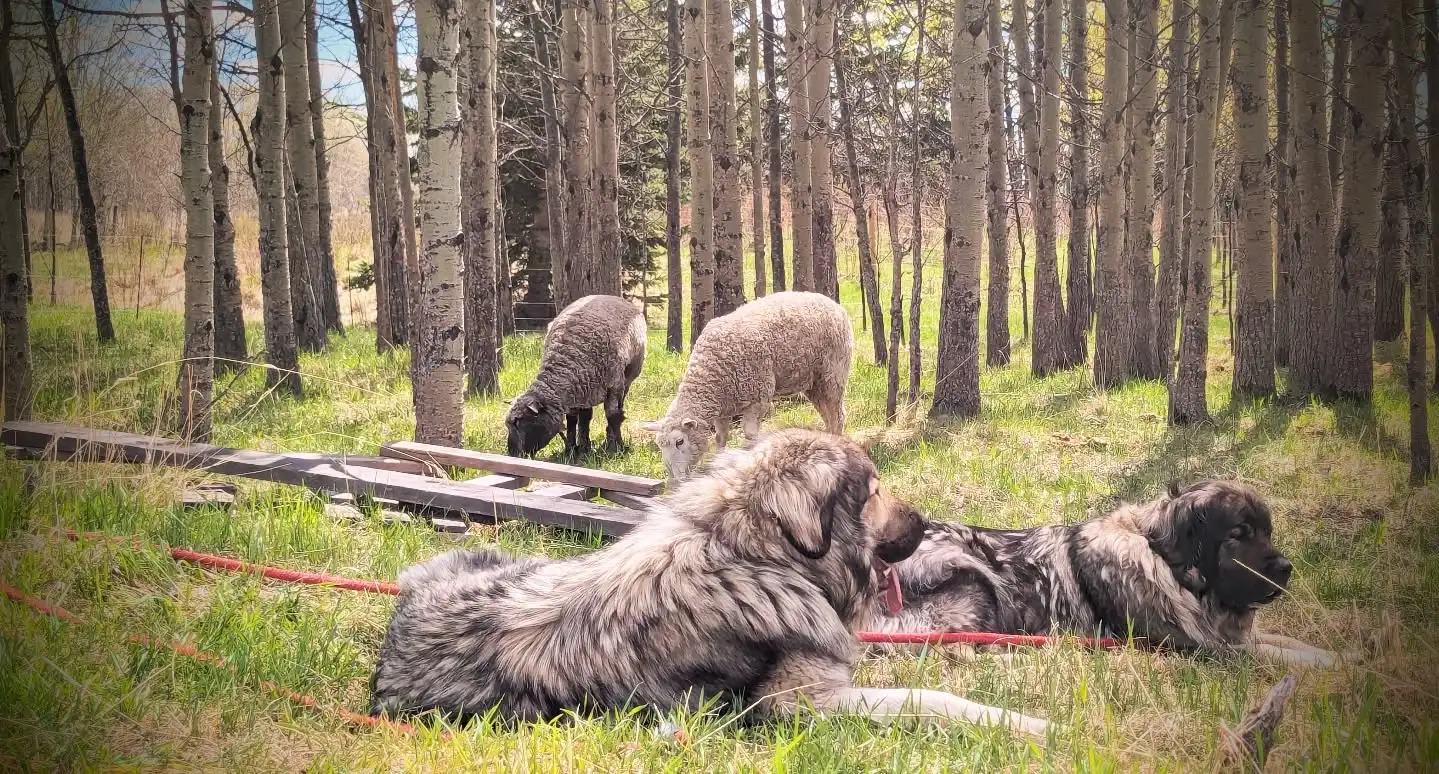
The gate swings open. The sheep explode out. The alpacas scramble to get in front of them, frantic and joyful, and then the whole flock spreads out across the pasture and gets to work — choosing this plant, not that one, shade over sunshine, browse instead of graze.
“Even our most placid, mature ladies may forget themselves and caper like the lambs they used to be,” says Tara, who runs Providence Lane Homestead northwest of Calgary with her family. “It’s a delight to watch.”
It’s also instructive. That first day back on grass after a long stretch indoors tells Tara something about how the land has fared over winter, how the animals are feeling, what the season ahead might hold.
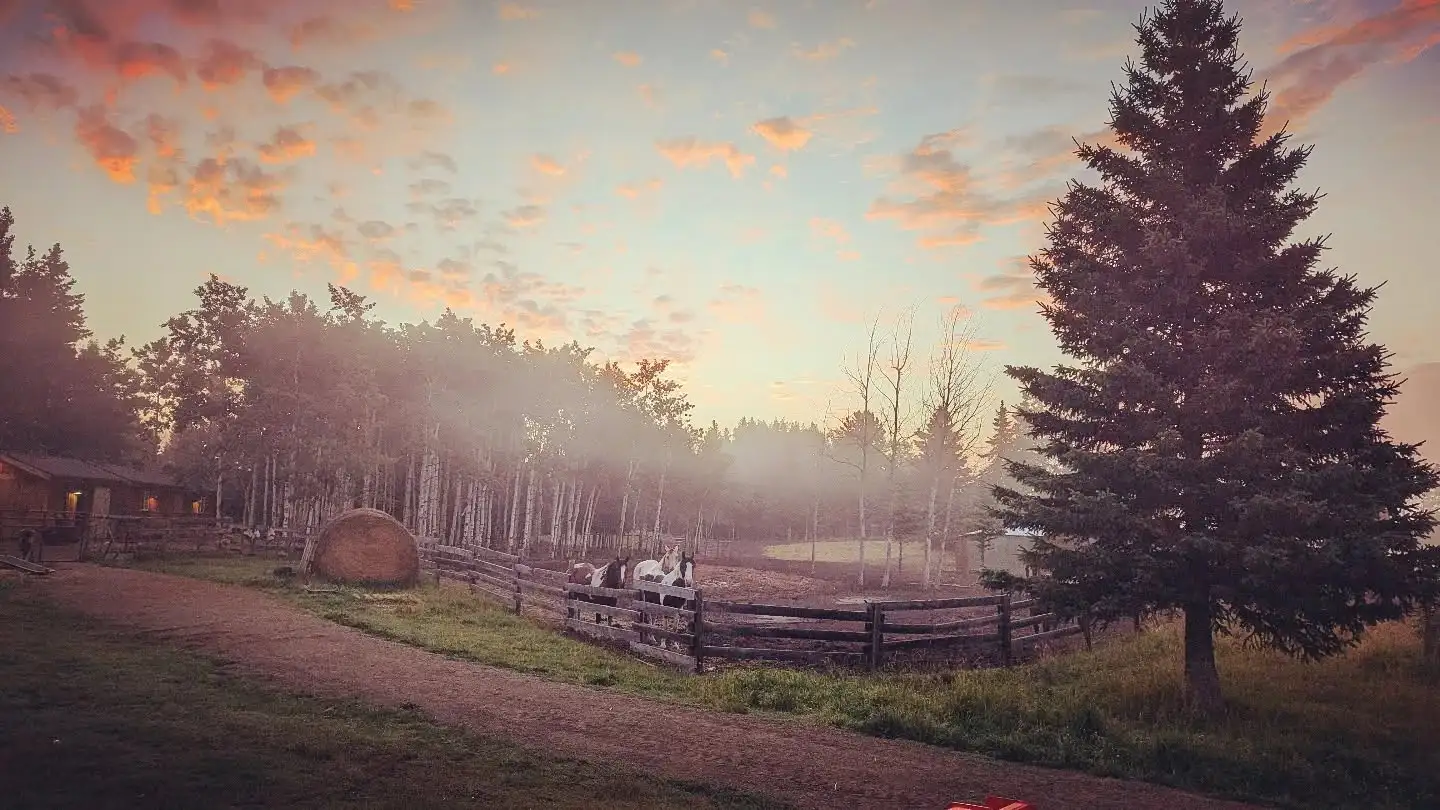
Providence Lane Homestead sits in Alberta’s foothills, where tame pasture, wetlands, aspen parkland, and native fescue prairie converge into what Tara calls “a wonderfully messy landscape.” Within that landscape, the family stewards approximately eight hectares of native prairie grassland — a critically endangered ecosystem in Canada — alongside transitional habitats, riparian areas, and young aspen stands.
Depending on where you stand on the farm, you might find rough fescue or native forbs, willows growing along a wetland edge, insects threading through flowering plants, or grassland birds nesting nearby. Tara sees all of it as part of a single living system. Managing it means paying attention – everything, all at once, all the time.
Learning to Read the Land
Before she was a farmer, Tara was a journalist and it turns out, the skills transfer.
“My personal professional history is in journalism and I suppose some of those observational and recording skills have made their way into this life,” she says. Every grazing season begins with a research walk through the pasture. She looks at plant diversity, moisture, flowering species, insect activity, soil cover, animal behaviour. She takes photographs. She keeps detailed notes. At the end of every year, those notes, photos and specimens get synthesized into a comprehensive grazing book that outline just what the goals were, highlight the successes and failures and then help inform the next year.
The farm runs what Tara calls a “flerd” — a mixed herd of endangered heritage Border Leicester sheep and alpacas — and uses a variation on adaptive and deferred multi-paddock grazing but the goal isn’t simply to feed the animals. Grazing here is a tool for improving soil health, increasing biodiversity, protecting wetlands, managing woody encroachment, and building resilience against drought and weather extremes. “Our sheep are not separate from our conservation work,” Tara says. “They are partners in it.” 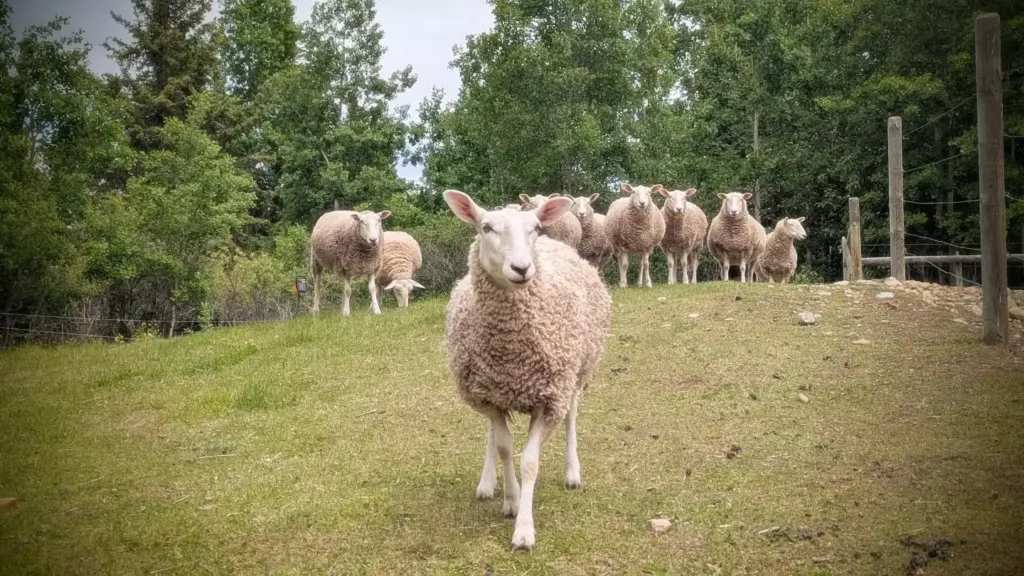
That framing — animals as partners, grazing as participation rather than extraction — sits at the heart of everything Providence Lane does. It also took years to arrive at.
The seasonal rhythm of that work is constant and exacting. Spring means cautious introductions to lush new grass and keeping a careful eye out for nesting birds. Summer is about balancing grazing pressure with rest periods, protecting sensitive areas as the heat builds. By autumn, Tara is assessing what worked, what didn’t, and preparing the land — and the flock — for winter. The land is always changing. To stay relevant as a steward, you have to change with it.
The Land Teaches Patience
Providence Lane Homestead started as a fibre farm. Over time, Tara realized she was just as interested in the health of the landscape as she was in the fleece.
“Grasslands taught me patience,” she says. “They taught me that ‘messy’ places — wetlands, shrubby margins, patches of native plants — are often the most productive and resilient parts of a farm.”
They also taught her that stewardship isn’t about controlling nature — it’s about participating in it thoughtfully. The details are subtle, often very small and very often a “blink and you’ll miss it” kind of thing. You have to keep showing up to build a baseline over years, never just a single season.
The Homestead is now Canada’s only dedicated fibre farm certified Animal Welfare Approved by A Greener World, a distinction that reflects a core belief: that healthy animals, healthy ecosystems, and healthy communities are inseparable.
But the farm’s evolution hasn’t come without challenge. Unpredictable weather, drought years, wet years, rampaging aspen suckers, the long work of restoring native ecosystems in a landscape where so much has already been altered. And then there’s the hardest challenge of all: resisting the urge to force land into a human-engineered plan.
“Adaptive grazing requires humility and time,” Tara says. “Sometimes the grass is ahead of you. Sometimes it’s behind. Sometimes the animals have opinions. You can work diligently and suddenly some curve ball comes screaming across the plate and you’re scrambling. It’s important, in those moments, to take care of yourself.”
Resilience, she’s learned, comes from paying attention over time, being willing to change course, and taking notes. Lots and lots of notes.
A Story Worth Telling
Tara grew up on her grandmother’s stories. Her Gramma was born in Saskatchewan, raised in the Peace Country of northern Alberta, and had a gift for telling the stories of the land she came from.
“Thanks to Gramma, I grew up knowing stories matter,” Tara says. “Gramma’s stories, the stories of the people who were here since time immemorial, the people who have come later and now, finally, us. I want the story we write here to be a good one.”
That commitment to story now shapes how Providence Lane opens its gates. Visitors come to learn about native prairie, adaptive grazing, wetland ecology, archaeology, wildlife, and the deep history embedded in a landscape that is never as empty as it looks. Grasslands, Tara will tell you, are not empty spaces. Every patch of fescue, every wetland margin, every old fence line has something to say. The work of stewardship is learning how to listen.
Over thousands of years, pastoralists around the world learned to read the relationships between animals and land. Tara is still early in that education. But the grasslands, she says, are patient teachers — if exacting ones.
“Grasslands look simple until you start paying attention,” she says. “Then you realize they are communities — of plants, animals, insects, water, history and people — all negotiating in layers how to live together. Our job isn’t to dominate that conversation, it’s to participate in it respectfully. To be just a small part of the story.”
Visit Providence Lane Homestead during Alberta Open Farm Days, August 15–16, 2026. Find participating farms and plan your visit at albertaopenfarmdays.ca.
Follow Providence Lane Homestead on Instagram and Facebook, or visit providencelanehomestead.com to learn more.